FORMATION E-LEARNING
Entorse et instabilité chronique de la cheville : prévention, évaluation, traitement et retour au sport


À propos
Cette formation s’adresse aux kinésithérapeutes qui souhaitent renforcer leurs compétences dans la prise en charge des entorses et des instabilités chroniques de cheville. Elle propose de revisiter les bases anatomiques et cliniques, de mieux comprendre les mécanismes de l’entorse et d’apprendre à réaliser un examen fiable aussi bien en urgence qu’en consultation. L’accent est mis sur l'élaboration d’un bilan fonctionnel structuré et sur l’adaptation de la rééducation en fonction des déficits observés, afin de gagner en efficacité au quotidien. Enfin, la formation apporte des outils pratiques pour accompagner en toute sécurité le retour au sport et à la performance en s’appuyant sur les recommandations scientifiques les plus récentes.
Objectifs de la formation
- Revoir l’anatomie fonctionnelle et palpatoire de la cheville.
- Comprendre les mécanismes de l’entorse et de l’instabilité chronique.
- Définir les critères diagnostiques de l’instabilité de cheville.
- Réaliser un examen clinique en situation d’urgence et en consultation différée.
- Mettre en œuvre un bilan fonctionnel structuré selon le protocole ROST.
- Identifier les déficits moteurs, proprioceptifs et fonctionnels du patient.
- Élaborer un plan de rééducation adapté aux déficiences identifiées.
- Fixer des objectifs thérapeutiques individualisés.
- Utiliser des outils validés pour monitorer le retour au sport (PASS, Ankle Go).
- Accompagner la reprise de l’activité physique jusqu’à la performance optimale.
Méthodologie et pédagogie
À travers une méthodologie expositive et interrogative, nous proposons des supports de cours vidéo en haute définition et multi-cam intégrant des animations 3D et des insertions 2D. En complément, nous mettons à disposition un support de cours synthétique au format PDF ainsi que des ressources téléchargeables. Les apprenants bénéficient également d’exercices formatifs et d’évaluations sommatives, accompagnés de retours personnalisés et de commentaires correctifs. Des tests de connaissances sous forme d’auto-évaluation sont également prévus avant et après la formation pour évaluer la progression de chacun.
Prérequis
Cette formation est ouverte aux kinésithérapeutes.
Programme de Formation
QCM : Test de connaissance
INTRODUCTION
- Introduction • 5 min 14 s
RAPPELS ANATOMIQUES
Ce chapitre constitue une revue pratique et imagée des différentes structures anatomiques concernées lors des pathologies de la cheville et du pied. Les structures osseuses seront d'abord évoquées, puis les structures tendineuses et ligamentaires.
- Structures osseuses • 3 min 43 s
- Structures tendineuses • 2 min 40 s
- Structures ligamentaires • 4 min 40 s
EPIDÉMIOLOGIE ET CASCADE CATASTROPHIQUE
La thématique de l'entorse de cheville et de l'instabilité chronique est beaucoup trop banalisée par les patients et les professionnels de la santé, bien que ce soit la pathologie la plus fréquente. Dans ce chapitre, la question de la récidive est abordée, ainsi que les risques de bascule vers l'instabilité chronique puis l'arthrose post-traumatique de cheville.
- Epidémiologie et cascade catastrophique • 2 min 32 s
DÉFINITION DE L'ENTORSE DE L'INSTABILITÉ CHRONIQUE DE CHEVILLE
Depuis 2013 et l'article fondateur de l'International Ankle Consortium, la définition de l’entorse de cheville et surtout de l'instabilité chronique de cheville est définitivement établie et partagée.
- Définition de l'entorse de l'instabilité chronique de cheville • 3 min 07 s
QU'EST-CE QU'UN COPER ?
Ce terme anglophone qui ne trouve pas vraiment d'équivalent en français est au centre de la compréhension du raisonnement clinique autour de la thématique de l'instabilité chronique de cheville. Des travaux récents permettent de le définir de plus en plus clairement.
- Qu'est-ce qu'un Coper ? • 4 min 36 s
LE MODÈLE DE HERTEL ET LE CONCEPT DE NEUROSIGNATURE
En 2019, Jay Hertel, le cofondateur de l'International Ankle Consortium, a remis à jour son modèle de compréhension et de prise en charge des entorses de cheville. Ce modèle prend en compte la dimension bio psychosociale et dresse la cartographie quasiment exhaustive des déficits potentiels rencontrés dans cette pathologie, en même temps qu'il introduit la notion de neurosignature - concept clé et véritable carte d'identité du patient.
- Définition et introduction • 3 min 37 s
- Le modèle de Hertel en détails • 7 min 15 s
LES FACTEURS DE RISQUES
Comme pour toutes les pathologies, il existe pour l'entorse de cheville un certain nombre de facteurs de risques, qu'ils soient intrinsèques ou extrinsèques. La notion de facteur déclenchant sera également abordée.
- Les facteurs de risques •
LES MÉCANISMES LÉSIONNELS
La compréhension des mécanismes lésionnels est primordiale dans l'entorse de cheville. Elle permet de suspecter les ligaments potentiellement atteints et également de pressentir une possible atteinte de la syndesmose.
- Les mécanismes lésionnels • 3 min 36 s
L'EXAMEN CLINIQUE
Ce chapitre constitue sans doute la partie essentielle de cette formation car l'évaluation est centrale face aux entorses de cheville. Le thème de l'examen clinique initial sera tout d'abord abordé avec notamment la recherche des potentielles lésions associées et les principaux diagnostics différentiels. Vient ensuite l'examen clinique retardé avec le testing spécifique de chaque structure et notamment la syndesmose. Enfin, grâce à l'International Ankle Consortium, il existe depuis 2019 une grille d'examen clinique plancher pour l'entorse de cheville : le ROAST.
- L’examen clinique initial - on field • 27 min 20 s
- L’examen clinique retardé - off field • 15 min 43 s
- Le ROAST •
- Conclusions sur l'examen clinique et application sur le terrain • 3 min 32 s
TRAITEMENT
Le traitement reprendra les thématiques du bilan afin de combler les déficits détectés chez le patient. Toutes les techniques nécessaires son passées en revue et démontrées en pratique, avec un accent particulier sur les exercices spécifiques jouant sur La repondération proprioceptive et la dépendance visuelle, ainsi que sur les doubles tâches et les perturbations cognitives.
- Introduction et grands principes de prise en charge • 32 min 38 s
- Démonstration pratique de traitement • 1 h 14 min
LE RETOUR AU SPORT
Ce chapitre traitera largement de la genèse et du développement actuel de l'application mobile gratuite Ankle-GO, outil unique conçu pour aider les praticiens à monitorer le retour sur le terrain. Le retour à la performance sur le terrain sera également abordé.
- Introduction, genèse et description de l'Ankle-GO • 15 min 51 s
- Démonstration pratique de l’Ankle-GO • 1 min 41 s
- L’application gratuite Ankle-GO et ses applications cliniques validées scientifiquement • 14 min 35 s
- Le retour à la performance sur le terrain • 2 min 09 s
QUESTIONS - RÉPONSES
Ces questions-réponses abordent différents sujets qui n'ont pas été traités au cours de la formation ou reviennent en détail sur certaines questions, comme l’application de la glace ou les semelles orthopédiques par exemple.
- Questions - Réponses • 17 min 47 s
CONCLUSION
- Conclusion • 8 min 31 s
QCM : réévaluez vos connaissances.
- test après formation Evaluez votre progression après la formation avec un QCM.
Support de cours & documentation
Support de cours
- La Méthodologie de Recherche PhysioAcademie.com - 30 pages Télécharger le document
- Support de cours PRISE EN CHARGE KINÉSITHÉRAPIQUE DE L’ENTORSE DE CHEVILLE DE L’ADULTE - 127 pages Télécharger le document
- Support de cours : FAAM French Télécharger le document
- Support de cours : CAIT Télécharger le document
- Support de cours : Ankle Activity Score Télécharger le document
- Support de cours : ALR RSI French Télécharger le document
- Support de cours : Score Ankle GO Télécharger le document
- Support de cours : PAASS Télécharger le document
- Support de cours : Arbre décisionnel OTTAWA BERNESE DIAPASON Télécharger le document
Références scientifiques
- Ardern CL, Glasgow P, Schneiders A, Witvrouw E, Clarsen B, Cools A, Gojanovic B, Griffin S, Khan KM, Moksnes H, Mutch SA, Phillips N, Reurink G, Sadler R, Silbernagel KG, Thorborg K, Wangensteen A, Wilk KE, Bizzini M. 2016 Consensus statement on return to sport from the First World Congress in Sports Physical Therapy, Bern. Br J Sports Med. 2016 Jul;50(14):853-64. doi: 10.1136/bjsports-2016-096278. Epub 2016 May 25. PMID: 27226389.
- Avedesian JM, Forbes W, Covassin T, Dufek JS. Influence of Cognitive Performance on Musculoskeletal Injury Risk: A Systematic Review. Am J Sports Med. 2022 Feb;50(2):554-562. doi: 10.1177/0363546521998081. Epub 2021 Mar 19. PMID: 33739889.
- Bachmann LM, Kolb E, Koller MT, Steurer J, ter Riet G. Accuracy of Ottawa ankle rules to exclude fractures of the ankle and mid-foot: systematic review. BMJ. 2003 Feb 22;326(7386):417. doi: 10.1136/bmj.326.7386.417. PMID: 12595378; PMCID: PMC149439.
- Bagehorn T, de Zee M, Fong DTP, Thorborg K, Kersting UG, Lysdal FG. Lateral Ankle Joint Injuries in Indoor and Court Sports: A Systematic Video Analysis of 445 Nonconsecutive Case Series. The American Journal of Sports Medicine. 2024;52(6):1572-1584. doi:10.1177/03635465241241760
- Banwell HA, Uden H, Marshall N, Altmann C, Williams CM. The iPhone Measure app level function as a measuring device for the weight bearing lunge test in adults: a reliability study. J Foot Ankle Res. 2019 Jul 9;12:37. doi: 10.1186/s13047-019-0347-9. PMID: 31333763; PMCID: PMC6617898.
- Barelds I, Krijnen WP, van de Leur JP, van der Schans CP, Goddard RJ. Diagnostic Accuracy of Clinical Decision Rules to Exclude Fractures in Acute Ankle Injuries: Systematic Review and Meta-analysis. J Emerg Med. 2017 Sep;53(3):353-368. doi: 10.1016/j.jemermed.2017.04.035. Epub 2017 Jul 29. PMID: 28764972.
- Beceren GN, Yolcu S, Tomruk O, Atay T, Baykal YB. Ottawa versus Bernese: which is better? Eur J Trauma Emerg Surg. 2013 Apr;39(2):147-50. doi: 10.1007/s00068-012-0249-z. Epub 2013 Jan 11. PMID: 26815071.
- Beckenkamp PR, Lin CC, Macaskill P, Michaleff ZA, Maher CG, Moseley AM. Diagnostic accuracy of the Ottawa Ankle and Midfoot Rules: a systematic review with meta-analysis. Br J Sports Med. 2017 Mar;51(6):504-510. doi: 10.1136/bjsports-2016-096858. Epub 2016 Nov 24. PMID: 27884861.
- Bleakley CM, Glasgow P, MacAuley DC. PRICE needs updating, should we call the POLICE? Br J Sports Med. 2012 Mar;46(4):220-1. doi: 10.1136/bjsports-2011-090297. Epub 2011 Sep 7. PMID: 21903616.
- Borloz S, Crevoisier X, Deriaz O, Ballabeni P, Martin RL, Luthi F. Evidence for validity and reliability of a French version of the FAAM. BMC Musculoskelet Disord. 2011 Feb 8;12:40. doi: 10.1186/1471-2474-12-40. PMID: 21303520; PMCID: PMC3045395.
- Brukner, Peter. Brukner & Khan's clinical sports medicine. North Ryde: McGraw-Hill, 2012.
- Caffrey E, Docherty CL, Schrader J, Klossner J. The ability of 4 single-limb hopping tests to detect functional performance deficits in individuals with functional ankle instability. J Orthop Sports Phys Ther. 2009 Nov;39(11):799-806. doi: 10.2519/jospt.2009.3042. PMID: 19881005.
- Carcia CR, Martin RL, Drouin JM. Validity of the Foot and Ankle Ability Measure in athletes with chronic ankle instability. J Athl Train. 2008 Apr-Jun;43(2):179-83. doi: 10.4085/1062-6050-43.2.179. PMID: 18345343; PMCID: PMC2267323.
- Chin M, Leppänen M, Kulmala JP, Vasankari T, Parkkari J, Pasanen K. A 3D motion capture analysis of a giving-way ankle episode during a 180-degree pivot turn: A case report. J Biomech. 2021 Mar 30;118:110318. doi: 10.1016/j.jbiomech.2021.110318. Epub 2021 Feb 9. PMID: 33601183.
- de César PC, Avila EM, de Abreu MR. Comparison of magnetic resonance imaging to physical examination for syndesmotic injury after lateral ankle sprain. Foot Ankle Int. 2011 Dec;32(12):1110-4. doi: 10.3113/FAI.2011.1110. PMID: 22381194.
- Delahunt E, Bleakley CM, Bossard DS, Caulfield BM, Docherty CL, Doherty C, Fourchet F, Fong DT, Hertel J, Hiller CE, Kaminski TW, McKeon PO, Refshauge KM, Remus A, Verhagen E, Vicenzino BT, Wikstrom EA, Gribble PA. Clinical assessment of acute lateral ankle sprain injuries (ROAST): 2019 consensus statement and recommendations of the International Ankle Consortium. Br J Sports Med. 2018 Oct;52(20):1304-1310. doi: 10.1136/bjsports-2017-098885. Epub 2018 Jun 9. PMID: 29886432.
- Delahunt E, Coughlan GF, Caulfield B, et al. Inclusion Criteria When Investigating insufficiencies in chronic ankle instability. Med Sci Sports Exerc 2010; 42:2106–21.
- Delahunt E, Remus A. Risk Factors for Lateral Ankle Sprains and Chronic Ankle Instability. J Athl Train. 2019 Jun;54(6):611-616. doi: 10.4085/1062-6050-44-18. Epub 2019 Jun 4. PMID: 31161942; PMCID: PMC6602396.
- Derksen RJ, Knijnenberg LM, Fransen G, Breederveld RS, Heymans MW, Schipper IB. Diagnostic performance of the Bernese versus Ottawa ankle rules: Results of a randomised controlled trial. Injury. 2015 Aug;46(8):1645-9. doi: 10.1016/j.injury.2015.03.038. Epub 2015 Apr 17. PMID: 25933807.
- Docherty CL, Arnold BL, Gansneder BM, Hurwitz S, Gieck J. Functional-Performance Deficits in Volunteers With Functional Ankle Instability. J Athl Train. 2005 Mar;40(1):30-34. PMID: 15902321; PMCID: PMC1088342.
- Doeringer, J. R., Hoch, M. C., & Krause, B. A. The effect of focal ankle cooling on spinal reflex activity in individuals with chronic ankle instability. Athletic Training & Sports Health Care. 2009 1(2), 59-64.
- Doherty C, Delahunt E, Caulfield B, Hertel J, Ryan J, Bleakley C. The incidence and prevalence of ankle sprain injury: a systematic review and meta-analysis of prospective epidemiological studies. Sports Med. 2014 Jan;44(1):123-40. doi: 10.1007/s40279-013-0102-5.
- Dong S, Liu Y, Liu Z, Shen P, Sun H, Zhang P, Fong DTP, Song Q. Can Arthrogenic Muscle Inhibition Exist in Peroneal Muscles Among People with Chronic Ankle Instability? A Cross-sectional Study. Sports Med Open. 2024 Apr 10;10(1):35. doi: 10.1186/s40798-024-00710-y. PMID: 38598018; PMCID: PMC11006644.
- Donnelly L, Donovan L, Hart JM, Hertel J. Eversion Strength and Surface Electromyography Measures With and Without Chronic Ankle Instability Measured in 2 Positions. Foot Ankle Int. 2017 Jul;38(7):769-778. doi: 10.1177/1071100717701231. Epub 2017 Apr 9. PMID: 28391722.
- Dowling S, Spooner CH, Liang Y, Dryden DM, Friesen C, Klassen TP, Wright RB. Accuracy of Ottawa Ankle Rules to exclude fractures of the ankle and midfoot in children: a meta-analysis. Acad Emerg Med. 2009 Apr;16(4):277-87. doi: 10.1111/j.1553-2712.2008.00333.x. Epub 2009 Feb 2. PMID: 19187397.
- Dubin JC, Comeau D, McClelland RI, Dubin RA, Ferrel E. Lateral and syndesmotic ankle sprain injuries: a narrative literature review. J Chiropr Med. 2011 Sep;10(3):204-19. doi: 10.1016/j.jcm.2011.02.001. Epub 2011 Jul 23. PMID: 22014912; PMCID: PMC3259913.
- Eggli S, Sclabas GM, Eggli S, Zimmermann H, Exadaktylos AK. The Bernese ankle rules: a fast, reliable test after low-energy, supination-type malleolar and midfoot trauma. J Trauma. 2005 Nov;59(5):1268-71. doi: 10.1097/01.ta.0000196436.95569.a3. PMID: 16385314.
- Fakontis C, Iakovidis P, Kasimis K, Lytras D, Koutras G, Fetlis A, Algiounidis I. Efficacy of resistance training with elastic bands compared to proprioceptive training on balance and self-report measures in patients with chronic ankle instability: A systematic review and meta-analysis. Phys Ther Sport. 2023 Nov;64:74-84. doi: 10.1016/j.ptsp.2023.09.009
- Fallat L, Grimm DJ, Saracco JA. Sprained ankle syndrome: prevalence and analysis of 639 acute injuries. J Foot Ankle Surg. 1998 Jul-Aug;37(4):280-5. doi: 10.1016/s1067-2516(98)80063-x. PMID: 9710779.
- Fares A, Picot B, Lopes R, Nader F, Bohu Y, Meyer A, Gerometta A, Grimaud O, Lefevre N, Moussa MK, Hardy A. Indicators of Return to Sports at Preinjury Levels Following Surgery for Chronic Ankle Instability: Comparison of ALR-RSI, AOFAS, and Karlsson Scores. Orthop J Sports Med. 2025 Jan 13;13(1):23259671241302078. doi: 10.1177/23259671241302078. PMID: 39811152; PMCID: PMC11729418.
- Fong D., Wei F, Youlian Hong, Tron Krosshaug,Roger C. Haut and Kai-Ming Chan. Ankle ligament strain during supination sprain injury – a computational biomechanics study. Portuguese Journal of Sport Sciences 11 (Suppl. 2), 2011
- Fong DT, Ha SC, Mok KM, Chan CW, Chan KM. Kinematics analysis of ankle inversion ligamentous sprain injuries in sports: five cases from televised tennis competitions. Am J Sports Med. 2012 Nov;40(11):2627-32. doi: 10.1177/0363546512458259.
- Fong DT-P, Hong Y, Shima Y, Krosshaug T, Yung PS-H, Chan K-M. Biomechanics of Supination Ankle Sprain: A Case Report of an Accidental Injury Event in the Laboratory. The American Journal of Sports Medicine. 2009;37(4):822-827. doi:10.1177/0363546508328102
- Forestier N, Terrier R, Teasdale N. Ankle muscular proprioceptive signals' relevance for balance control on various support surfaces: an exploratory study. Am J Phys Med Rehabil. 2015 Jan;94(1):20-7. doi: 10.1097/PHM.0000000000000137. PMID: 24919080.
- Geerinck A, Beaudart C, Salvan Q, Van Beveren J, D'Hooghe P, Bruyère O, Kaux JF. French translation and validation of the Cumberland Ankle Instability Tool, an instrument for measuring functional ankle instability. Foot Ankle Surg. 2020 Jun;26(4):391-397. doi: 10.1016/j.fas.2019.05.002. Epub 2019 May 9. PMID: 31118138.
- Gehring D, Wissler S, Mornieux G, Gollhofer A. How to sprain your ankle - a biomechanical case report of an inversion trauma. J Biomech. 2013 Jan 4;46(1):175-8. doi: 10.1016/j.jbiomech.2012.09.016. Epub 2012 Oct 15. PMID: 23078945.
- Gogate N, Satpute K, Hall T. The effectiveness of mobilization with movement on pain, balance and function following acute and sub acute inversion ankle sprain - A randomized, placebo controlled trial. Phys Ther Sport. 2021 Mar;48:91-100. doi: 10.1016/j.ptsp.2020.12.016. Epub 2020 Dec 23. PMID: 33401232.
- Gokeler A, Benjaminse A, Della Villa F, Tosarelli F, Verhagen E, Baumeister J. Anterior cruciate ligament injury mechanisms through a neurocognition lens: implications for injury screening. BMJ Open Sport Exerc Med. 2021 May 17;7(2):e001091. doi: 10.1136/bmjsem-2021-001091. PMID: 34055386; PMCID: PMC8130757.
- Gokeler, A., Nijmeijer, E. M., Heuvelmans, P., Tak, I., Ramponi, C., & Benjaminse, A. Motor learning principles during rehabilitation after anterior cruciate ligament injury: Time to create an enriched environment to improve clinical outcome. Arthroskopie, (2023) 36(3), 164-170.
- Golanó P, Vega J, de Leeuw PA, Malagelada F, Manzanares MC, Götzens V, van Dijk CN. Anatomy of the ankle ligaments: a pictorial essay. Knee Surg Sports Traumatol Arthrosc. 2010 May;18(5):557-69. doi: 10.1007/s00167-010-1100-x. Epub 2010 Mar 23.
- Gottlieb U, Hayek R, Hoffman JR, Springer S. Exercise combined with electrical stimulation for the treatment of chronic ankle instability - A randomized controlled trial. J Electromyogr Kinesiol. 2024 Feb;74:102856. doi: 10.1016/j.jelekin.2023.102856. Epub 2023 Dec 30. PMID: 38198892.
- Gribble PA, Delahunt E, Bleakley C, Caulfield B, Docherty C, Fourchet F, Fong DT, Hertel J, Hiller C, Kaminski T, McKeon P, Refshauge K, van der Wees P, Vicenzino B, Wikstrom E. Selection criteria for patients with chronic ankle instability in controlled research: a position statement of the International Ankle Consortium. Br J Sports Med. 2014
- Gribble PA. Evaluating and Differentiating Ankle Instability. J Athl Train. 2019 Jun;54(6):617-627. doi: 10.4085/1062-6050-484-17. Epub 2019 Jun 4. PMID: 31161943; PMCID: PMC6602389.
- Griffiin C. Sportsmith 2021 https://www.sportsmith.co/articles/training-lower-limb-for-performance-and-reduce-injury-risk/
- Griffin C, Daniels K, Hill C, Franklyn-Miller A, Morin JB. A criteria-based rehabilitation program for chronic mid-portion Achilles tendinopathy: study protocol for a randomised controlled trial. BMC Musculoskelet Disord. 2021 Aug 14;22(1):695. doi: 10.1186/s12891-021-04553-6. PMID: 34391384; PMCID: PMC8364697.
- Guermazi, A., Roemer, F. W., & Crema, M. D. (Eds.). (2015). Imaging in sports-specific musculoskeletal injuries. Springer.
- Haff, Greg, N. Travis Triplett, and issuing body National Strength & Conditioning Association. Essentials of Strength Training and Conditioning. Ed. by Greg Haff and N. Travis Triplett. Fourth edition. Champaign, IL: Human Kinetics, 2016. Han K, Ricard MD. Effects of 4 weeks of elastic-resistance training on ankle-evertor strength and latency. J Sport Rehabil. 2011 May;20(2):157-73. doi: 10.1123/jsr.20.2.157. PMID: 21576708.
- Halasi T, Kynsburg A, Tállay A, Berkes I. Development of a new activity score for the evaluation of ankle instability. Am J Sports Med. 2004 Jun;32(4):899-908. doi: 10.1177/0363546503262181. PMID: 15150035.
- Hale SA, Hertel J. Reliability and Sensitivity of the Foot and Ankle Disability Index in Subjects With Chronic Ankle Instability. J Athl Train. 2005 Mar;40(1):35-40. PMID: 15902322; PMCID: PMC1088343.
- Hall EA, Docherty CL. Validity of clinical outcome measures to evaluate ankle range of motion during the weight-bearing lunge test. J Sci Med Sport. 2017 Jul;20(7):618-621. doi: 10.1016/j.jsams.2016.11.001. Epub 2016 Nov 23. PMID: 28108266.
- Han J, Anson J, Waddington G, Adams R, Liu Y. The Role of Ankle Proprioception for Balance Control in relation to Sports Performance and Injury. Biomed Res Int. 2015;2015:842804. doi: 10.1155/2015/842804. Epub 2015 Oct 25. PMID: 26583139; PMCID: PMC4637080.
- Han J, Waddington G, Adams R, Anson J, Liu Y. Assessing proprioception: What do you really want to know?-Response to Krewer et al. J Sport Health Sci. 2016 Mar;5(1):93-94. doi: 10.1016/j.jshs.2015.11.002. Epub 2015 Nov 10. PMID: 30356922; PMCID: PMC6191983.
- Hawker GA, Mian S, Kendzerska T, French M. Measures of adult pain: Visual Analog Scale for Pain (VAS Pain), Numeric Rating Scale for Pain (NRS Pain), McGill Pain Questionnaire (MPQ), Short-Form McGill Pain Questionnaire (SF-MPQ), Chronic Pain Grade Scale (CPGS), Short Form-36 Bodily Pain Scale (SF-36 BPS), and Measure of Intermittent and Constant Osteoarthritis Pain (ICOAP). Arthritis Care Res (Hoboken). 2011 Nov;63 Suppl 11:S240-52. doi: 10.1002/acr.20543.
- Hebert LJ, Remec JF, Saulnier J, Vial C, Puymirat J. The use of muscle strength assessed with handheld dynamometers as a non-invasive biological marker in myotonic dystrophy type 1 patients: a multicenter study. BMC Musculoskelet Disord. 2010;11:72.
- Hébert-Losier K, Wessman C, Alricsson M, Svantesson U. Updated reliability and normative values for the standing heel-rise test in healthy adults. Physiotherapy. 2017 Dec;103(4):446-452. doi: 10.1016/j.physio.2017.03.002. Epub 2017 Mar 21. PMID: 28886865.
- Held S, Speer K, Rappelt L, Wicker P, Donath L. The effectiveness of traditional vs. velocity-based strength training on explosive and maximal strength performance: A network meta-analysis. Front Physiol. 2022 Aug 10;13:926972. doi: 10.3389/fphys.2022.926972. PMID: 36035476; PMCID: PMC9399433.
- Hertel J, Corbett RO. An Updated Model of Chronic Ankle Instability. J Athl Train. 2019 Jun;54(6):572-588. doi: 10.4085/1062-6050-344-18.
- Hertel J. Sensorimotor deficits with ankle sprains and chronic ankle instability. Clin Sports Med. 2008 Jul;27(3):353-70, vii. doi: 10.1016/j.csm.2008.03.006. PMID: 18503872.
- Herzog MM, Kerr ZY, Marshall SW, Wikstrom EA. Epidemiology of Ankle Sprains and Chronic Ankle Instability. J Athl Train. 2019 Jun;54(6):603-610. doi: 10.4085/1062-6050-447-17.
- Hoch JM, Hartzell J, Kosik KB, Cramer RJ, Gribble PA, Hoch MC. Continued validation and known groups validity of the Quick-FAAM: Inclusion of participants with chronic ankle instability and ankle sprain copers. Phys Ther Sport. 2020 May;43:84-88. doi: 10.1016/j.ptsp.2020.02.012. Epub 2020 Feb 26. PMID: 32135450.
- Hoch JM, Legner JL, Lorete C, Hoch MC. The Validity of the Quick-FAAM in Patients Seeking Treatment for an Acute or Subacute Foot or Ankle Health Condition. J Sport Rehabil. 2017 May 1;26(3):jsr.2016-0089. doi: 10.1123/jsr.2016-0089. Epub 2016 Sep 16. PMID: 27633016.
- Hoch MC, Andreatta RD, Mullineaux DR, English RA, Medina McKeon JM, Mattacola CG, McKeon PO. Two-week joint mobilization intervention improves self-reported function, range of motion, and dynamic balance in those with chronic ankle instability. J Orthop Res. 2012 Nov;30(11):1798-804. doi: 10.1002/jor.22150. Epub 2012 May 18. PMID: 22610971.
- Hong CC, Calder J. The Burden of the "Simple Ankle Sprains": A Review of the Epidemiology and Long-Term Impact. Foot Ankle Clin. 2023 Jun;28(2):187-200. doi: 10.1016/j.fcl.2022.12.002. Epub 2023 Feb 26. PMID: 37137618.
- Hopkins JT, Christopher DI. Arthrogenic Muscle inhibition: A Limiting Factor in Joint Rehabilitation, Journal of Sport Rehabilitation 9, 2 (2000): 135-159, accessed Feb 25, 2025, https://doi.org/10.1123/jsr.9.2.135
- Horak FB, Wrisley DM, Frank J. The Balance Evaluation Systems Test (BESTest) to differentiate balance deficits. Phys Ther. 2009 May;89(5):484-98. doi: 10.2522/ptj.20080071. Epub 2009 Mar 27. PMID: 19329772; PMCID: PMC2676433.
- Hubbard-Turner T. Lack of Medical Treatment From a Medical Professional After an Ankle Sprain. J Athl Train. 2019 Jun;54(6):671-675. doi: 10.4085/1062-6050-428-17.
- Itoh H, Ichihashi N, Sakamoto T: Functional tests for the knee joint. Bull Allied Med Sci Kobe, 1989, 5: 75–81.
- Itoh H, Kurosaka M, Yoshiya S, Ichihashi N, Mizuno K. Evaluation of functional deficits determined by four different hop tests in patients with anterior cruciate ligament deficiency. Knee Surg Sports Traumatol Arthrosc. 1998;6(4):241-5. doi: 10.1007/s001670050106. PMID: 9826806
- Ivanenko YP, Solopova IA, Levik YS. The direction of postural instability affects postural reactions to ankle muscle vibration in humans. Neurosci Lett. 2000 Oct 6;292(2):103-6. doi: 10.1016/s0304-3940(00)01438-5. PMID: 10998559.
- Ivanenko YP, Talis VL, Kazennikov OV. Support stability influences postural responses to muscle vibration in humans. Eur J Neurosci. 1999 Feb;11(2):647-54. doi: 10.1046/j.1460-9568.1999.00471.x. PMID: 10051765.
- Jamsandekar S, M, Patel VD, J Prabhakar A, Eapen C, Keogh JWL. Ability of functional performance assessments to discriminate athletes with and without chronic ankle instability : a case-control study. PeerJ. 2022 May 27;10:e13390. doi: 10.7717/peerj.13390. PMID: 35651742; PMCID: PMC9150691.
- Kelln BM, McKeon PO, Gontkof LM, Hertel J. Hand-held dynamometry: reliability of lower extremity muscle testing in healthy, physically active,young adults. J Sport Rehabil. 2008 May;17(2):160-70. doi: 10.1123/jsr.17.2.160. PMID: 18515915.
- Kelly M, Bernstein D, MacDonald A, et al. Pain Assessment in Foot and Ankle Patients: Numeric Pain Rating Scale versus PROMIS Pain Interference: Which Is Best? Foot & Ankle Orthopaedics. 2018;3(3). doi:10.1177/2473011418S00067
- Kerkhoffs GM, Rowe BH, Assendelft WJ, Kelly K, Struijs PA, van Dijk CN. Immobilisation and functional treatment for acute lateral ankle ligament injuries in adults. Cochrane Database Syst Rev. 2002;(3):CD003762. doi: 10.1002/14651858.CD003762. Update in: Cochrane Database Syst Rev. 2013 Mar 28;(3):CD003762. doi: 10.1002/14651858.CD003762.pub2. PMID: 12137710.
- Kerkhoffs GM, van den Bekerom M, Elders LA, van Beek PA, Hullegie WA, Bloemers GM, de Heus EM, Loogman MC, Rosenbrand KC, Kuipers T, Hoogstraten JW, Dekker R, Ten Duis HJ, van Dijk CN, van Tulder MW, van der Wees PJ, de Bie RA. Diagnosis, treatment and prevention of ankle sprains: an evidence-based clinical guideline. Br J Sports Med. 2012 Sep;46(12):854-60. doi: 10.1136/bjsports-2011-090490. Epub 2012 Apr 20. PMID: 22522586.
- Kiers H, Brumagne S, van Dieën J, van der Wees P, Vanhees L. Ankle proprioception is not targeted by exercises on an unstable surface. Eur J Appl Physiol. 2012 Apr;112(4):1577-85. doi: 10.1007/s00421-011-2124-8. Epub 2011 Aug 21. PMID: 21858665.
- Kim CY, Choi JD, Kim HD. No correlation between joint position sense and force sense for measuring ankle proprioception in subjects with healthy and functional ankle instability. Clin Biomech (Bristol). 2014 Nov;29(9):977-83. doi: 10.1016/j.clinbiomech.2014.08.017. Epub 2014 Sep 15. PMID: 25238686.
- Kim KM, Kim JS, Grooms DR. Stroboscopic Vision to Induce Sensory Reweighting During Postural Control. J Sport Rehabil. 2017 Sep 1;26(5). doi: 10.1123/jsr.2017-0035. Epub 2017 Jun 12. PMID: 28605310
- Kim KM, Needle AR, Kim JS, An YW, Cruz-Díaz D, Taube W. What interventions can treat arthrogenic muscle inhibition in patients with chronic ankle instability? A systematic review with meta-analysis. Disabil Rehabil. 2024 Jan;46(2):241-256. doi: 10.1080/09638288.2022.2161643. Epub 2023 Jan 17. PMID: 36650898.
- Kim KM. Higher visual reliance during single-leg balance bilaterally occurring following acute lateral ankle sprain: A potential central mechanism of bilateral sensorimotor deficits. Gait Posture. 2020 May;78:26-29. doi: 10.1016/j.gaitpost.2020.03.003. Epub 2020 Mar 4. PMID: 32179458.
- Kim, K. M., Ingersoll, C. D., & Hertel, J. Focal ankle joint cooling facilitates Hoffmann reflexes of ankle muscles in prone but not standing positions. J Sports Rehab. (2014). DOI: 10.1123/jsr.2013-0123
- Kobayashi T, Koshino Y, Takahashi K, Hanesaka Y, Tanaka S, Tsuda T, Hasegawa K, Teramoto A. Influence of Anterior Talofibular Ligament Injury and Ankle Anterior Displacement on Symptoms in Individuals With Chronic Ankle Instability. J Athl Train. 2024 Nov 1;59(11):1089-1094. doi: 10.4085/1062-6050-0582.23. PMID: 38446632; PMCID: PMC11611374.
- Konradsen L, Bech L, Ehrenbjerg M, Nickelsen T. Seven years follow-up after ankle inversion trauma. Scand J Med Sci Sports. 2002 Jun;12(3):129-35. doi: 10.1034/j.1600-0838.2002.02104.x. PMID: 12135444.
- Konradsen L. Factors Contributing to Chronic Ankle Instability: Kinesthesia and Joint Position Sense. J Athl Train. 2002 Dec;37(4):381-385. PMID: 12937559; PMCID: PMC164369.
- Kose, O., Gokhan, S., Ozhasenekler, A., Celiktas, M., Yigit, S., & Gurcan, S. (2010). Comparison of Ottawa ankle rules and Bernese ankle rules in acute ankle and midfoot injuries. Turk J Emerg Med, 3, 101-103.
- Kosik KB, Hoch MC, Heebner NR, Hartzell J, Gribble PA. A laboratory captured 'giving way' episode during a single-leg landing task in an individual with unilateral chronic ankle instability. J Biomech. 2019 Jun 11;90:153-158. doi: 10.1016/j.jbiomech.2019.05.009. Epub 2019 May 17. PMID: 31113573.
- Lacerda D, Pacheco D, Rocha AT, Diniz P, Pedro I, Pinto FG. Current Concept Review: State of Acute Lateral Ankle Injury Classification Systems. J Foot Ankle Surg. 2023 Jan-Feb;62(1):197-203. doi: 10.1053/j.jfas.2022.08.005. Epub 2022 Aug 18. PMID: 36184447.
- Lam KC, Marshall AN, Holland B, Bay RC, Wikstrom EA, Snyder Valier AR. Patients Experience Significant and Meaningful Changes in Self-Report of Function During the First 2 Weeks After an Ankle Sprain Injury: A Report From the Athletic Training Practice-Based Research Network. J Sport Rehabil. 2022 Aug 3;32(2):117-123. doi: 10.1123/jsr.2022-0014. PMID: 35926848.
- Langarika-Rocafort A, Emparanza JI, Aramendi JF, Castellano J, Calleja-González J. Intra-rater reliability and agreement of various methods of measurement to assess dorsiflexion in the Weight Bearing Dorsiflexion Lunge Test (WBLT) among female athletes. Phys Ther Sport. 2017 Jan;23:37-44. doi: 10.1016/j.ptsp.2016.06.010. Epub 2016 Jun 29. PMID: 27665249.
- Lin CF, Gross ML, Weinhold P. Ankle syndesmosis injuries: anatomy, biomechanics, mechanism of injury, and clinical guidelines for diagnosis and intervention. J Orthop Sports Phys Ther. 2006 Jun;36(6):372-84. doi: 10.2519/jospt.2006.2195. PMID: 16776487.
- Lin CW, Uegaki K, Coupé VM, Kerkhoffs GM, van Tulder MW. Economic evaluations of diagnostic tests, treatment and prevention for lateral ankle sprains: a systematic review. Br J Sports Med. 2013 Dec;47(18):1144-9. doi: 10.1136/bjsports-2012-090319. Epub 2012 May 3. PMID: 22554849.
- Linens SW, Ross SE, Arnold BL, Gayle R, Pidcoe P. Postural-stability tests that identify individuals with chronic ankle instability. J Athl Train. 2014 Jan-Feb;49(1):15-23. doi: 10.4085/1062-6050-48.6.09. Epub 2013 Dec 30. PMID: 24377958; PMCID: PMC3917291.
- López-Rodríguez S, Fernández de-Las-Peñas C, Alburquerque-Sendín F, Rodríguez-Blanco C, Palomeque-del-Cerro L. Immediate effects of manipulation of the talocrural joint on stabilometry and baropodometry in patients with ankle sprain. J Manipulative Physiol Ther. 2007 Mar-Apr;30(3):186-92. doi: 10.1016/j.jmpt.2007.01.011. PMID: 17416272.
- Loudon JK, Reiman MP, Sylvain J. The efficacy of manual joint mobilisation/manipulation in treatment of lateral ankle sprains: a systematic review. Br J Sports Med. 2014 Mar;48(5):365-70. doi: 10.1136/bjsports-2013-092763. Epub 2013 Aug 26. PMID: 23980032.
- Lubetzky AV, McCoy SW, Price R, Kartin D. Response to Tendon Vibration Questions the Underlying Rationale of Proprioceptive Training. J Athl Train. 2017 Feb;52(2):97-107. doi: 10.4085/1062-6050-52.1.06. Epub 2017 Jan 26. PMID: 28125270; PMCID: PMC5343534.
- Lugo-Pico JG, Kaiser JT, Sanchez RA, Aiyer AA. Peroneal Tendinosis and Subluxation. Clin Sports Med. 2020 Oct;39(4):845-858. doi: 10.1016/j.csm.2020.07.005. Epub 2020 Aug 14. PMID: 32892971.
- Lysdal FG, Wang Y, Delahunt E, Gehring D, Kosik KB, Krosshaug T, Li Y, Mok KM, Pasanen K, Remus A, Terada M, Fong DTP. What have we learnt from quantitative case reports of acute lateral ankle sprains injuries and episodes of 'giving-way' of the ankle joint, and what shall we further investigate? Sports Biomech. 2022 Apr;21(4):359-379. doi: 10.1080/14763141.2022.2035801. Epub 2022 Feb 21. PMID: 35189066.
- Maffulli N. The clinical diagnosis of subcutaneous tear of the Achilles tendon. A prospective study in 174 patients. Am J Sports Med. 1998 Mar-Apr;26(2):266-70. doi: 10.1177/03635465980260021801. PMID: 9548122.
- Maricot A, Lathouwers E, Verschueren J, De Pauw K, Meeusen R, Roelands B, Tassignon B. Test-retest, intra- and inter-rater reliability of the reactive balance test in patients with chronic ankle instability. Front Neurol. 2024 Feb 16;15:1320043. doi: 10.3389/fneur.2024.1320043. PMID: 38434204; PMCID: PMC10906270.
- Martin RL, Davenport TE, Fraser JJ, Sawdon-Bea J, Carcia CR, Carroll LA, Kivlan BR, Carreira D. Ankle Stability and Movement Coordination Impairments: Lateral Ankle Ligament Sprains Revision 2021. J Orthop Sports Phys Ther. 2021 Apr;51(4):CPG1-CPG80. doi: 10.2519/jospt.2021.0302.
- Martin RL, Davenport TE, Paulseth S, Wukich DK, Godges JJ; Orthopaedic Section American Physical Therapy Association. Ankle stability and movement coordination impairments: ankle ligament sprains. J Orthop Sports Phys Ther. 2013 Sep;43(9):A1-40. doi: 10.2519/jospt.2013.0305. PMID: 24313720.
- McCann, R., Kosik, K., Terada, M., and Gribble, P. Residual Impairments and Activity Limitations at Return to Play from a Lateral Ankle Sprain. International Journal of Athletic Therapy and Training. 2017 23, 2, 83-88, https://doi.org/10.1123/ijatt.2017-0058
- Medina McKeon JM, Bush HM, Reed A, Whittington A, Uhl TL, McKeon PO. Return-to-play probabilities following new versus recurrent ankle sprains in high school athletes. J Sci Med Sport. 2014 Jan;17(1):23-8. doi: 10.1016/j.jsams.2013.04.006. Epub 2013 May 17. PMID: 23689105.
- Mok KM, Fong DTP, Krosshaug T, Hung ASL, Engebretsen L, Yung PSH, Chan KM. Kinematics analysis of ankle inversion ligamentous sprain injuries in sports – 2 cases during the 2008 Beijing Olympics. American Journal of Sports Medicine, (2011) 39(7), 1548-1552.
- Moonen PJ, Mercelina L, Boer W, Fret T. Diagnostic error in the Emergency Department: follow up of patients with minor trauma in the outpatient clinic. Scand J Trauma Resusc Emerg Med. 2017 Feb 14;25(1):13. doi: 10.1186/s13049-017-0361-5. PMID: 28196544; PMCID: PMC5309992.
- Mourcou, Q., Fleury, A., Diot, B., Franco, C., & Vuillerme, N. (2015). Mobile phone‐based joint angle measurement for functional assessment and rehabilitation of proprioception. BioMed research international, 2015(1), 328142.
- Munn J, Sullivan SJ, Schneiders AG. Evidence of sensorimotor deficits in functional ankle instability: a systematic review with meta-analysis. J Sci Med Sport. 2010 Jan;13(1):2-12. doi: 10.1016/j.jsams.2009.03.004. Epub 2009 May 12. PMID: 19442581.
- Needle AR, Lepley AS, Grooms DR. Central Nervous System Adaptation After Ligamentous Injury: a Summary of Theories, Evidence, and Clinical Interpretation. Sports Med. 2017 Jul;47(7):1271-1288. doi: 10.1007/s40279-016-0666-y. PMID: 28005191.
- Bisset L, Beller E, Jull G, et al. Mobilisation with movement and exercise, corticosteroid injection, or wait and see for tennis elbow: randomised trial. BMJ 2006; 333:939.
- Netterström-Wedin F, Bleakley C. Diagnostic accuracy of clinical tests assessing ligamentous injury of the ankle syndesmosis: A systematic review with meta-analysis. Phys Ther Sport. 2021 May;49:214-226. doi: 10.1016/j.ptsp.2021.03.005. Epub 2021 Mar 20. PMID: 33774464.
- Netterström-Wedin F, Matthews M, Bleakley C. Diagnostic Accuracy of Clinical Tests Assessing Ligamentous Injury of the Talocrural and Subtalar Joints: A Systematic Review With Meta-Analysis. Sports Health. 2022 May-Jun;14(3):336-347. doi: 10.1177/19417381211029953. Epub 2021 Jul 21. PMID: 34286639; PMCID: PMC9109591.
- Norte G, Rush J, Sherman D. Arthrogenic Muscle Inhibition: Best Evidence, Mechanisms, and Theory for Treating the Unseen in Clinical Rehabilitation, Journal of Sport Rehabilitation 31, 6 (2022): 717-735, accessed Feb 25, 2025, https://doi.org/10.1123/jsr.2021-0139
- Panagiotakis E, Mok KM, Fong DT, Bull AMJ. Biomechanical analysis of ankle ligamentous sprain injury cases from televised basketball games: Understanding when, how and why ligament failure occurs. J Sci Med Sport. 2017 Dec;20(12):1057-1061. doi: 10.1016/j.jsams.2017.05.006.
- Pauole, K., Madole, K., Garhammer, J., Lacourse, M., & Rozenek, R. Reliability and validity of the T-test as a measure of agility, leg power, and leg speed in college-aged men and women. The Journal of Strength & Conditioning Research. 2000, 14(4), 443-450.
- Peterka RJ. Sensorimotor integration in human postural control. J Neurophysiol. 2002 Sep;88(3):1097-118. doi: 10.1152/jn.2002.88.3.1097. PMID: 12205132.
- Peterka RJ. Sensory integration for human balance control. Handb Clin Neurol. 2018;159:27-42. doi: 10.1016/B978-0-444-63916-5.00002-1. PMID: 30482320.
- Petersen W, Rembitzki IV, Koppenburg AG, Ellermann A, Liebau C, Brüggemann GP, Best R. Treatment of acute ankle ligament injuries: a systematic review. Arch Orthop Trauma Surg. 2013 Aug;133(8):1129-41. doi: 10.1007/s00402-013-1742-5. Epub 2013 May 28. PMID: 23712708; PMCID: PMC3718986.
- Picot B, Fourchet F, Laydevant W, Louis C, Rauline G, Meyer A, Podlog L, Lopes R, Hardy A. Ankle supports enhance only psychological aspects of the Ankle-GO score in patients with chronic ankle instability. J Athl Train. 2025 Feb 7. doi: 10.4085/1062-6050-0584.24.
- Picot B, Fourchet F, Lopes R, Rauline G, Freiha K, D'hooghe P, Valentin E, Hardy A. Low Ankle-GO Score While Returning to Sport After Lateral Ankle Sprain Leads to a 9-fold Increased Risk of Recurrence: A Two-year Prospective Cohort Study. Sports Med Open. 2024 Mar 8;10(1):23. doi: 10.1186/s40798-024-00693-w. PMID: 38453775; PMCID: PMC10920508.
- Picot B, Fourchet F, Rauline G, Freiha K, Wikstrom E, Lopes R, Hardy A. Ankle-GO score is associated with the probability of becoming coper after lateral ankle sprain: a 1-year prospective cohort study. Br J Sports Med. 2024 Oct 17;58(19):1115-1122. doi: 10.1136/bjsports-2024-108361. PMID: 39122369; PMCID: PMC11503120.
- Picot B, Grimaud O, Rauline G, Haidar I, Moussa MK, Hardy A. Validity and reproducibility of the ARL-RSI score to assess psychological readiness before returning to sport after lateral ankle sprain. J Exp Orthop. 2024 Jul 2;11(3):e12073. doi: 10.1002/jeo2.12073. PMID: 38957229; PMCID: PMC11217666.
- Picot B, Hardy A, Terrier R, Tassignon B, Lopes R, Fourchet F. Which Functional Tests and Self-Reported Questionnaires Can Help Clinicians Make Valid Return to Sport Decisions in Patients With Chronic Ankle Instability? A Narrative Review and Expert Opinion. Front Sports Act Living. 2022 May 26;4:902886. doi: 10.3389/fspor.2022.902886. PMID: 35721875; PMCID: PMC9204606.
- Picot B, Lopes R, Rauline G, Fourchet F, Hardy A. Development and Validation of the Ankle-GO Score for Discriminating and Predicting Return-to-Sport Outcomes After Lateral Ankle Sprain. Sports Health. 2024 Jan-Feb;16(1):47-57. doi: 10.1177/19417381231183647. Epub 2023 Jul 11. PMID: 37434508; PMCID: PMC10732116.
- Picot, Brice, Romain Terrier, Nicolas Forestier, François Fourchet, and Patrick O. McKeon. "The Star Excursion Balance Test: An Update Review and Practical Guidelines", International Journal of Athletic Therapy and Training 26, 6 (2021): 285-293, accessed Feb 24, 2025, https://doi.org/10.1123/ijatt.2020-0106
- Pijnenburg AC, Bogaard K, Krips R, Marti RK, Bossuyt PM, van Dijk CN. Operative and functional treatment of rupture of the lateral ligament of the ankle. A randomised, prospective trial. J Bone Joint Surg Br. 2003 May;85(4):525-30. doi: 10.1302/0301-620x.85b4.13928. PMID: 12793557.
- Postle K, Pak D, Smith TO. Effectiveness of proprioceptive exercises for ankle ligament injury in adults: a systematic literature and meta-analysis. Man Ther. 2012 Aug;17(4):285-91. doi: 10.1016/j.math.2012.02.016. Epub 2012 Mar 27. PMID: 22459604.
- Racinais S, Dablainville V, Rousse Y, Ihsan M, Grant ME, Schobersberger W, Budgett R, Engebretsen L. Cryotherapy for treating soft tissue injuries in sport medicine: a critical review. Br J Sports Med. 2024 Oct 22;58(20):1215-1223. doi: 10.1136/bjsports-2024-108304. PMID: 39237265.
- Reiman M, Burgi C, Strube E, Prue K, Ray K, Elliott A, Goode A. The utility of clinical measures for the diagnosis of achilles tendon injuries: a systematic review with meta-analysis. J Athl Train. 2014 Nov-Dec;49(6):820-9. doi: 10.4085/1062-6050-49.3.36. PMID: 25243736; PMCID: PMC4264655.
- Rohner-Spengler M, Mannion AF, Babst R. Reliability and minimal detectable change for the figure-of-eight-20 method of, measurement of ankle edema. J Orthop Sports Phys Ther. 2007 Apr;37(4):199-205. doi: 10.2519/jospt.2007.2371. PMID: 17469673
- Roos KG, Kerr ZY, Mauntel TC, Djoko A, Dompier TP, Wikstrom EA. The Epidemiology of Lateral Ligament Complex Ankle Sprains in National Collegiate Athletic Association Sports. Am J Sports Med. 2017 Jan;45(1):201-209. doi: 10.1177/0363546516660980. Epub 2016 Oct 1. PMID: 27573356.
- Schoenfeld BJ, Grgic J, Van Every DW, Plotkin DL. Loading Recommendations for Muscle Strength, Hypertrophy, and Local Endurance: A Re-Examination of the Repetition Continuum. Sports (Basel). 2021 Feb 22;9(2):32. doi: 10.3390/sports9020032. PMID: 33671664; PMCID: PMC7927075.
- Sherrington, C. S. (1906). On the proprio-ceptive system, especially in its reflex aspect. Brain: A Journal of Neurology, 29, 467–482. https://doi.org/10.1093/brain/29.4.467
- Sigonney F, Lopes R, Bouché PA, Kierszbaum E, Moslemi A, Anract P, Stein A, Hardy A. The ankle ligament reconstruction-return to sport after injury (ALR-RSI) is a valid and reproducible scale to quantify psychological readiness before returning to sport after ankle ligament reconstruction. Knee Surg Sports Traumatol Arthrosc. 2020 Dec;28(12):4003-4010. doi: 10.1007/s00167-020-06020-6. Epub 2020 Apr 30. PMID: 32356045; PMCID: PMC7669765
- Simon, Janet MS, ATC*; Garcia, William MS, ATC†; Docherty, Carrie L. PhD, ATC*. The Effect of Kinesio Tape on Force Sense in People With Functional Ankle Instability. Clinical Journal of Sport Medicine 24(4):p 289-294, July 2014. | DOI: 10.1097/JSM.0000000000000030
- Sman AD, Hiller CE, Refshauge KM. Diagnostic accuracy of clinical tests for diagnosis of ankle syndesmosis injury: a systematic review. Br J Sports Med. 2013 Jul;47(10):620-8. doi: 10.1136/bjsports-2012-091702. Epub 2012 Dec 6. PMID: 23222193.
- Smith MD, Vicenzino B, Bahr R, Bandholm T, Cooke R, Mendonça LM, Fourchet F, Glasgow P, Gribble PA, Herrington L, Hiller CE, Lee SY, Macaluso A, Meeusen R, Owoeye OBA, Reid D, Tassignon B, Terada M, Thorborg K, Verhagen E, Verschueren J, Wang D, Whiteley R, Wikstrom EA, Delahunt E. Return to sport decisions after an acute lateral ankle sprain injury: introducing the PAASS framework-an international multidisciplinary consensus. Br J Sports Med. 2021 Nov;55(22):1270-1276. doi: 10.1136/bjsports-2021-104087.
- Song K, Burcal CJ, Hertel J, Wikstrom EA. Increased Visual Use in Chronic Ankle Instability: A Meta-analysis. Med Sci Sports Exerc. 2016 Oct;48(10):2046-56. doi: 10.1249/MSS.0000000000000992. PMID: 27635773.
- Stiell IG, Greenberg GH, Wells GA, McDowell I, Cwinn AA, Smith NA, Cacciotti TF, Sivilotti ML. Prospective validation of a decision rule for the use of radiography in acute knee injuries. JAMA. 1996 Feb 28;275(8):611-5. PMID: 8594242.
- Stojanović E, Faude O, Nikić M, Scanlan AT, Radovanović D, Jakovljević V. The incidence rate of ACL injuries and ankle sprains in basketball players: A systematic review and meta-analysis. Scand J Med Sci Sports. 2023 Jun;33(6):790-813. doi: 10.1111/sms.14328. Epub 2023 Feb 19. PMID: 36752659.
- Strudwick K, McPhee M, Bell A, Martin-Khan M, Russell T. Review article: Best practice management of common ankle and foot injuries in the emergency department (part 2 of the musculoskeletal injuries rapid review series). Emerg Med Australas. 2018 Apr;30(2):152-180. doi: 10.1111/1742-6723.12904. Epub 2017 Dec 13. PMID: 29235235.
- Suttmiller AMB, Cavallario JM, Baez SE, Martinez JC, McCann RS. Perceived Instability, Pain, and Psychological Factors for Prediction of Function and Disability in Individuals With Chronic Ankle Instability. J Athl Train. 2022 Nov 1;57(11-12):1048-1054. doi: 10.4085/1062-6050-0605.21. PMID: 35271731; PMCID: PMC9875700.
- Taberner M, Allen T, Cohen DD. Progressing rehabilitation after injury: consider the 'control-chaos continuum'. Br J Sports Med. 2019 Sep;53(18):1132-1136. doi: 10.1136/bjsports-2018-100157. Epub 2019 Feb 8. PMID: 30737202; PMCID: PMC6818668.
- Tassignon B, Verschueren J, Delahunt E, Smith M, Vicenzino B, Verhagen E, Meeusen R. Criteria-Based Return to Sport Decision-Making Following Lateral Ankle Sprain Injury: a Systematic Review and Narrative Synthesis. Sports Med. 2019 Apr;49(4):601-619. doi: 10.1007/s40279-019-01071-3. PMID: 30747379.
- Terada M, Gribble PA. Jump Landing Biomechanics During a Laboratory Recorded Recurrent Ankle Sprain. Foot Ankle Int. 2015 Jul;36(7):842-8. doi: 10.1177/1071100715576517.
- Terrier, R., Tourné, Y., Picot, B., & Forestier, N. (2021). Rehabilitation options for chronic ankle instability: what is new?. In Lateral Ankle Instability: An International Approach by the Ankle Instability Group (pp. 299-312). Berlin, Heidelberg: Springer Berlin Heidelberg.
- Thonnard, J., Plaghki, L., Willems, P., Benoît, J., & Nyer, J.D. (1986). La pathogénie de l'entorse de la cheville: test d'une hypothèse.
- Tiemstra JD. Update on acute ankle sprains. Am Fam Physician. 2012 Jun 15;85(12):1170-6. PMID: 22962897.
- Tourillon R, Delahunt E, Fourchet F, Picot B, M'Baye M. Ankle scientific knowledge is not translated into physiotherapy practice: a thematic analysis of French-speaking physiotherapists clinical behaviors. J Athl Train. 2024 Mar 13. doi: 10.4085/1062-6050-0575.23.
- van Dijk CN, Longo UG, Loppini M, Florio P, Maltese L, Ciuffreda M, Denaro V. Classification and diagnosis of acute isolated syndesmotic injuries: ESSKA-AFAS consensus and guidelines. Knee Surg Sports Traumatol Arthrosc. 2016 Apr;24(4):1200-16. doi: 10.1007/s00167-015-3942-8. Epub 2015 Dec 24. PMID: 26704800.
- van Dijk CN, Longo UG, Loppini M, Florio P, Maltese L, Ciuffreda M, Denaro V. Conservative and surgical management of acute isolated syndesmotic injuries: ESSKA-AFAS consensus and guidelines. Knee Surg Sports Traumatol Arthrosc. 2016 Apr;24(4):1217-27. doi: 10.1007/s00167-016-4017-1. Epub 2016 Feb 4. PMID: 26846658.
- Vicenzino B, Branjerdporn M, Teys P, Jordan K. Initial changes in posterior talar glide and dorsiflexion of the ankle after mobilization with movement in individuals with recurrent ankle sprain. J Orthop Sports Phys Ther. 2006 Jul;36(7):464-71. doi: 10.2519/jospt.2006.2265. PMID: 16881463.
- Vuurberg G, Hoorntje A, Wink LM, van der Doelen BFW, van den Bekerom MP, Dekker R, van Dijk CN, Krips R, Loogman MCM, Ridderikhof ML, Smithuis FF, Stufkens SAS, Verhagen EALM, de Bie RA, Kerkhoffs GMMJ. Diagnosis, treatment and prevention of ankle sprains: update of an evidence-based clinical guideline. Br J Sports Med. 2018 Aug;52(15):956. doi: 10.1136/bjsports-2017-098106. Epub 2018 Mar 7. PMID: 29514819.
- Wagemans J, Bleakley C, Taeymans J, Kuppens K, Schurz AP, Baur H, Vissers D. Rehabilitation strategies for lateral ankle sprain do not reflect established mechanisms of re-injury: A systematic review. Phys Ther Sport. 2023 Mar;60:75-83. doi: 10.1016/j.ptsp.2023.01.008. Epub 2023 Jan 23. PMID: 36716507.
- Waterman BR, Owens BD, Davey S, Zacchilli MA, Belmont PJ Jr. The epidemiology of ankle sprains in the United States. J Bone Joint Surg Am. 2010 Oct 6;92(13):2279-84. doi: 10.2106/JBJS.I.01537.
- Weerasekara I, Deam H, Bamborough N, Brown S, Donnelly J, Thorp N, Rivett DA. Effect of Mobilisation with Movement (MWM) on clinical outcomes in lateral ankle sprains: A systematic review and meta-analysis. Foot (Edinb). 2020 Jun;43:101657. doi: 10.1016/j.foot.2019.101657. Epub 2019 Nov 28. PMID: 32247262.
- Weerasekara I, Deam H, Bamborough N, Brown S, Donnelly J, Thorp N, Rivett DA. Effect of Mobilisation with Movement (MWM) on clinical outcomes in lateral ankle sprains: A systematic review and meta-analysis. Foot (Edinb). 2020 Jun;43:101657. doi: 10.1016/j.foot.2019.101657. Epub 2019 Nov 28. PMID: 32247262.
- Wikstrom EA, Brown CN. Minimum reporting standards for copers in chronic ankle instability research. Sports Med. 2014 Feb;44(2):251-68. doi: 10.1007/s40279-013-0111-4. PMID: 24122774.
- Wikstrom EA, Mueller C, Cain MS. Lack of Consensus on Return-to-Sport Criteria Following Lateral Ankle Sprain: A Systematic Review of Expert Opinions. J Sport Rehabil. 2020 Feb 1;29(2):231-237. doi: 10.1123/jsr.2019-0038.
- Xue X, Chen Z, Xuan W, Tao W, Jin Z, Hua Y. Force sense deficits in chronic ankle instability: A systematic review and meta-analysis. PM R. 2023 Jun;15(6):780-789. doi: 10.1002/pmrj.12833. Epub 2022 Jun 17. PMID: 35532066.
- Xue X, Ma T, Li Q, Song Y, Hua Y. Chronic ankle instability is associated with proprioception deficits: A systematic review and meta-analysis. J Sport Health Sci. 2021 Mar;10(2):182-191. doi: 10.1016/j.jshs.2020.09.014. Epub 2020 Oct 2. PMID: 33017672; PMCID: PMC7987558.
- Yoshida T, Tanino Y, Suzuki T. Effect of exercise therapy combining electrical therapy and balance training on functional instability resulting from ankle sprain-focus on stability of jump landing. J Phys Ther Sci. 2015 Oct;27(10):3069-71. doi: 10.1589/jpts.27.3069. Epub 2015 Oct 30. PMID: 26644645; PMCID: PMC4668136.
Découvrez toutes les formations de Brice PICOT François FOURCHET
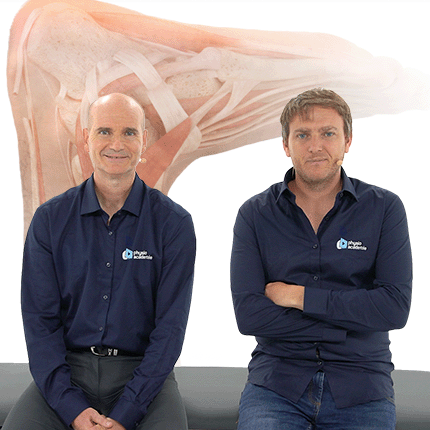
Entorse et instabilité chronique de la cheville : prévention, évaluation, traitement et retour au sport
Brice PICOT, François FOURCHET
Plus d'infos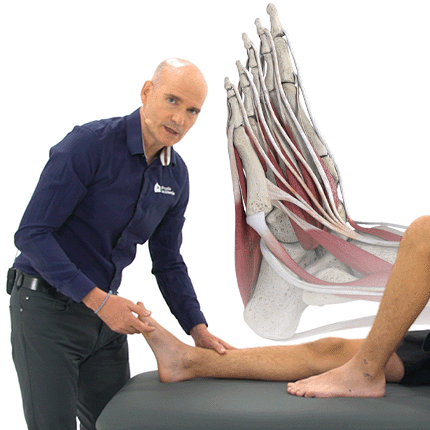
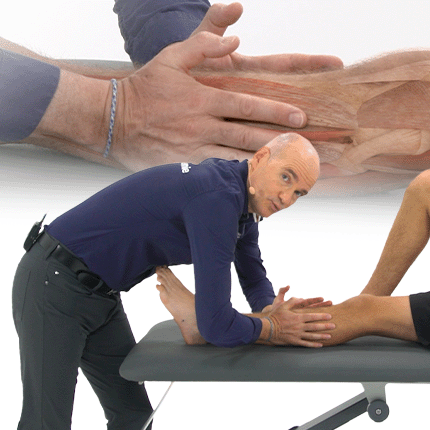
Prise en charge kinésithérapique de l'entorse de cheville de l'adulte
Brice PICOT, François FOURCHET
Plus d'infos
Entorse et instabilité chronique de la cheville : prévention, évaluation, traitement et retour au sport
Brice PICOT, François FOURCHET
Plus d'infos-
Soumis le
chevilles instablesformation tres précise avec une maitrise des dernières études.
formateurs ayant une maitrise parfaite des différentes approches du sujet