FORMATION E-LEARNING
Endométriose : de la thérapie manuelle aux approches actives
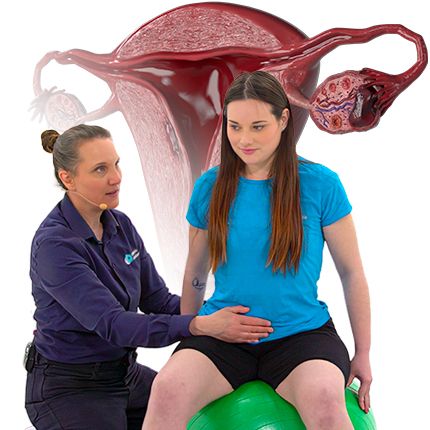
L'endométriose étant une pathologie inflammatoire et chronique complexe, sa prise en charge kinésithérapique occupe une place centrale dans le soulagement de la douleur et la restauration de la qualité de vie des patientes. Face à des tableaux cliniques variés, associer des techniques de thérapie manuelle ciblées (viscérales, tissulaires et articulaires) à des approches actives centrées sur l'exercice progressif et l'autonomisation est indispensable pour pérenniser les résultats. Cette formation e-learning dédiée à l'endométriose, vous détaille les leviers thérapeutiques essentiels pour élaborer un plan de soin global, raisonné et adapté aux besoins de vos futures patientes.

À propos
Cette formation propose une approche complète de la prise en charge kinésithérapique de l'endométriose, fondée sur les données scientifiques actuelles. Elle aborde la physiopathologie de la maladie, l'anatomie et la biomécanique pelvi-périnéale concernées, la construction d'un bilan clinique rigoureux, ainsi que l'ensemble des techniques de rééducation utilisables en cabinet, en s'appuyant sur des vidéos avec patiente réelle et des animations 2D/3D.
Objectifs de la formation
L'objectif est de maîtriser la physiopathologie de l'endométriose, de savoir construire un bilan spécifique et un programme de rééducation individualisé fondé sur les preuves, et d'adapter sa posture thérapeutique à chaque patiente. Il s'agit aussi d'apprendre à orienter vers les autres acteurs du parcours de soins lorsque nécessaire, et de donner à la patiente les outils d'une autonomisation durable pour entretenir les acquis de la kinésithérapie.
Méthodologie et pédagogie
Cette formation e-learning associe rigueur scientifique et applications cliniques directes. Elle se compose de séquences théoriques richement illustrées et de démonstrations pratiques filmées, permettant une transposition immédiate au cabinet. Le contenu est adossé à la littérature scientifique récente, avec une bibliographie référencée et vérifiée. L'ensemble s'articule autour d'un raisonnement clinique progressif, du dépistage à la rééducation, en passant par les choix thérapeutiques adaptés à chaque profil de patient.
Prérequis
Aucun prérequis n'est nécessaire pour pouvoir participer à cette formation. Cette formation est particulièrement adaptée aux rééducateurs — masseurs-kinésithérapeutes et orthophonistes — qui souhaitent développer des compétences spécifiques dans la prise en charge du SAHOS de l'adulte.
Elle s'adresse également aux médecins généralistes souhaitant mieux connaître et dépister les troubles respiratoires obstructifs du sommeil, ainsi qu'aux spécialistes impliqués dans le parcours de soins — pneumologues, cardiologues, ORL, médecins du sommeil, orthodontistes — qui souhaitent mieux comprendre l'apport de la rééducation et identifier les situations dans lesquelles orienter leurs patients vers un rééducateur formé.
Programme de Formation
INTRODUCTION
- Introduction •
COMPRENDRE L'ENDOMÉTRIOSE
- Définition actualisée •
- Symptômes et présentation clinique •
PHYSIOPATHOLOGIE
- Comment les lésions apparaissent •
- Comment les lésions provoquent la douleur •
- Comment la douleur devient persistante •
- Pourquoi certains facteurs entretiennent ou aggravent la maladie •
FACTEURS DE RISQUE ET CLASSIFICATION
- Facteurs de risque •
- Classification anatomique •
- Classification par stade •
RAPPELS ANATOMIQUES ET BIOMÉCANIQUES
- Anatomie pelvienne viscérale •
- Anatomie fonctionnelle du plancher pelvien •
- Anatomie fonctionnelle abdo-lombo-pelvienne •
BILAN SPÉCIFIQUE
- Endométriose et trauma •
- Anamnèse •
- Outils validés •
- Bilan respiratoire •
- Bilan abdo-lombo-pelvien •
- Bilan périnéal •
TRAITEMENT KINÉ
- Approche Bio-Psycho-Sociale •
- Charge mentale •
- Appropriation de la chronicité •
- Appropriation corporelle •
- Electrothérapie •
THÉRAPIE MANUELLE
- Mobilité diaphragme •
- Mobilité abdominale •
- Mobilité bassin •
- Mobilité coccyx •
- Mobilité larynx et pharynx •
AUTONOMISATION DU PATIENT
- Exercices de mobilité bassin et d'ouverture des côtes •
- Exercices d'activation du transverse •
- Exercices fascia et dissociation des ceintures •
- Travail du périnée •
- Gestion des pressions de la cavité abdominale •
- Exercices pour aller plus loin •
ET LES AUTRES TRAITEMENTS ?
- Traitements médicamenteux •
- Chirurgie et la place du kiné •
- Soins support •
D'AUTRES PILIERS POUR LA SANTÉ
- Flux libre instinctif •
- Nutrition •
- Pertubateurs endocriniens •
- Constipation et hydratation •
- Sommeil •
- Approche pluridisciplinaire •
FAQ
- FAQ •
CONCLUSION
- Conclusion •
Support de cours & documentation
Support de cours
- La Méthodologie de Recherche PhysioAcademie.com - 30 pages Télécharger le document
Références scientifiques
- Aerts, L., Grangier, L., Streuli, I., Dällenbach, P., Marci, R., Wenger, J. M., & Pluchino, N. (2018). Psychosocial impact of endometriosis: from co-morbidity to intervention. Best Practice & Research Clinical Obstetrics & Gynaecology, 50, 2-10. https://doi.org/10.1016/j.bpobgyn.2018.01.008
- Agence nationale de sécurité sanitaire de l'alimentation, de l'environnement et du travail (ANSES). (2021). Perturbateurs endocriniens. ANSES. https://www.anses.fr/fr/thematique/perturbateurs-endocriniens
- American Society for Reproductive Medicine. (1997). Revised American Society for Reproductive Medicine classification of endometriosis: 1996. Fertility and Sterility, 67(5), 817-821. https://doi.org/10.1016/s0015-0282(97)81391-x
- Anaf, V., Simon, P., El Nakadi, I., Fayt, I., Simonart, T., Buxant, F., & Noel, J.-C. (2000). Hyperalgesia, nerve infiltration and nerve growth factor expression in deep adenomyotic nodules, peritoneal and ovarian endometriosis. Human Reproduction, 15(8), 1895-1900. https://doi.org/10.1093/humrep/15.8.1895
- Anderson, R. U., Wise, D., Sawyer, T., Glowe, P., & Orenberg, E. K. (2011). 6-day intensive treatment protocol for refractory chronic prostatitis/chronic pelvic pain syndrome using myofascial release and paradoxical relaxation training. Journal of Urology, 185(4), 1294-1299. https://doi.org/10.1016/j.juro.2010.11.076
- Aubry, G., Bencharif, C., Vesale, E., Oueld, E., Dietrich, G., Collinet, P., Azais, H., & Canlorbe, G. (2023). Retards et parcours de soins des patientes atteintes d'endométriose en France : étude multicentrique. Gynécologie Obstétrique Fertilité & Sénologie, 51(2), 117-122. https://doi.org/10.1016/j.gofs.2022.11.006
- Babazadeh-Zavieh, S. S., Bashardoust Tajali, S., Haeri, S. M. J., & Shamsi, A. (2023). Effects of transcutaneous electrical nerve stimulation on chronic pelvic pain in women: a systematic review and meta-analysis. Complementary Medicine Research, 30(2), 161-173. https://doi.org/10.1159/000528133
- Becker, C. M., Bokor, A., Heikinheimo, O., Horne, A., Jansen, F., Kiesel, L., King, K., Kvaskoff, M., Nap, A., Petersen, K., Saridogan, E., Tomassetti, C., van Hanegem, N., Vulliemoz, N., Vermeulen, N., & ESHRE Endometriosis Guideline Group. (2022). ESHRE guideline: endometriosis. Human Reproduction Open, 2022(2), hoac009. https://doi.org/10.1093/hropen/hoac009
- Becker, C. M., Bokor, A., Heikinheimo, O., Horne, A., Jansen, F., Kiesel, L., King, K., Kvaskoff, M., Nap, A., Petersen, K., Saridogan, E., Tomassetti, C., van Hanegem, N., Vulliemoz, N., Vermeulen, N., & ESHRE Endometriosis Guideline Group. (2022). ESHRE guideline: endometriosis. Human Reproduction Open, 2022(2), hoac009. https://doi.org/10.1093/hropen/hoac009
- Bergeron, S., Khalifé, S., Glazer, H. I., & Binik, Y. M. (2008). Surgical and behavioral treatments for vestibulodynia: two-and-one-half year follow-up and predictors of outcome. Obstetrics & Gynecology, 111(1), 159-166. https://doi.org/10.1097/01.AOG.0000295864.76709.4a
- Bø, K., Berghmans, B., Mørkved, S., & Van Kampen, M. (Eds.). (2015). Evidence-based physical therapy for the pelvic floor (2nd ed.). Churchill Livingstone/Elsevier.
- Bø, K., Mørkved, S., Frawley, H., & Sherburn, M. (2009). Evidence for benefit of transversus abdominis training alone or in combination with pelvic floor muscle training to treat female urinary incontinence: a systematic review. Neurourology and Urodynamics, 28(5), 368-373. https://doi.org/10.1002/nau.20700
- Borghese, B., Santulli, P., Marcellin, L., & Chapron, C. (2018). Définition, description, formes anatomo-cliniques, pathogenèse et histoire naturelle de l'endométriose. RPC Endométriose CNGOF-HAS. Journal de Gynécologie Obstétrique et Biologie de la Reproduction, 46(3), 156-167.
- Bouhassira, D., Attal, N., Alchaar, H., Boureau, F., Brochet, B., Bruxelle, J., Cunin, G., Fermanian, J., Ginies, P., Grun-Overdyking, A., Jafari-Schluep, H., Lantéri-Minet, M., Laurent, B., Mick, G., Serrie, A., Valade, D., & Vicaut, E. (2005). Comparison of pain syndromes associated with nervous or somatic lesions and development of a new neuropathic pain diagnostic questionnaire (DN4). Pain, 114(1-2), 29-36. https://doi.org/10.1016/j.pain.2004.12.010
- Breton, Z., Gouesbet, S., Indersie, E., Gabillet, M., Tran, V.-T., Aflak, N., Borghese, B., Petit, E., Roman, H., Millepied, A.-C., Neve De Mevergnies, M., & Kvaskoff, M. (2026). Endometriosis diagnostic delay and its correlates: results from the ComPaRe-Endometriosis cohort. Journal of Women's Health. https://doi.org/10.1177/15409996251380129
- Brown, J., & Farquhar, C. (2015). An overview of treatments for endometriosis. JAMA, 313(3), 296-297. https://doi.org/10.1001/jama.2014.17119
- Burney, R. O., & Giudice, L. C. (2012). Pathogenesis and pathophysiology of endometriosis. Fertility and Sterility, 98(3), 511-519. https://doi.org/10.1016/j.fertnstert.2012.06.029
- Butler, D. S., & Moseley, G. L. (2013). Explain Pain (2nd ed.). Noigroup Publications.
- Chapron, C., Fauconnier, A., Dubuisson, J.-B., Barakat, H., Vieira, M., & Bréart, G. (2003). Deep infiltrating endometriosis: relation between severity of dysmenorrhoea and extent of disease. Human Reproduction, 18(4), 760-766. https://doi.org/10.1093/humrep/deg152
- Chen, I., Veth, V. B., Choudhry, A. J., Murji, A., Zakhari, A., Black, A. Y., Agarpao, C., & Tulandi, T. (2020). Pre- and postsurgical medical therapy for endometriosis surgery. Cochrane Database of Systematic Reviews, 2020(11), CD003678. https://doi.org/10.1002/14651858.CD003678.pub3
- Coiplet, E., Courbiere, B., Agostini, A., Boubli, L., Bretelle, F., & Netter, A. (2022). Endometriosis and environmental factors: a critical review. Journal of Gynecology Obstetrics and Human Reproduction, 51(7), 102418. https://doi.org/10.1016/j.jogoh.2022.102418
- De Graaff, A. A., D'Hooghe, T. M., Dunselman, G. A. J., Dirksen, C. D., Hummelshoj, L., & WERF EndoCost Consortium. (2013). The significant effect of endometriosis on physical, mental and social wellbeing: results from an international cross-sectional survey. Human Reproduction, 28(10), 2677-2685. https://doi.org/10.1093/humrep/det284
- Dommerholt, J., Bron, C., & Franssen, J. (2006). Myofascial trigger points: an evidence-informed review. Journal of Manual & Manipulative Therapy, 14(4), 203-221. https://doi.org/10.1179/106698106790819400
- Duffy, J. M. N., Arambage, K., Correa, F. J. S., Olive, D., Farquhar, C., Garry, R., Barlow, D. H., & Jacobson, T. Z. (2014). Laparoscopic surgery for endometriosis. Cochrane Database of Systematic Reviews, 2014(4), CD011031. https://doi.org/10.1002/14651858.CD011031
- Dunselman, G. A. J., Vermeulen, N., Becker, C., Calhaz-Jorge, C., D'Hooghe, T., De Bie, B., Heikinheimo, O., Horne, A. W., Kiesel, L., Nap, A., Prentice, A., Saridogan, E., Soriano, D., & Nelen, W. (2014). ESHRE guideline: management of women with endometriosis. Human Reproduction, 29(3), 400-412. https://doi.org/10.1093/humrep/det457
- EndoFrance. (s.d.). Informations et ressources pour les patientes et professionnels de santé. https://www.endofrance.org
- Engel, G. L. (1977). The need for a new medical model: a challenge for biomedicine. Science, 196(4286), 129-136. https://doi.org/10.1126/science.847460
- European Society of Human Reproduction and Embryology (ESHRE). (2022). ESHRE guideline for the diagnosis and treatment of endometriosis. https://guidelines.endometriosis.org
- Facchin, F., Barbara, G., Saita, E., Mosconi, P., Roberto, A., Fedele, L., & Vercellini, P. (2015). Impact of endometriosis on quality of life and mental health: pelvic pain makes the difference. Journal of Psychosomatic Obstetrics & Gynecology, 36(4), 135-141. https://doi.org/10.3109/0167482X.2015.1074173
- Fauconnier, A., & Chapron, C. (2005). Endometriosis and pelvic pain: epidemiological evidence of the relationship and implications. Human Reproduction Update, 11(6), 595-606. https://doi.org/10.1093/humupd/dmi029
- Fauconnier, A., Chapron, C., Dubuisson, J.-B., Vieira, M., Dousset, B., & Bréart, G. (2002). Relation between pain symptoms and the anatomic location of deep infiltrating endometriosis. Fertility and Sterility, 78(4), 719-726. https://doi.org/10.1016/s0015-0282(02)03331-9
- FitzGerald, M. P., & Kotarinos, R. (2003). Rehabilitation of the short pelvic floor. I: background and patient evaluation. International Urogynecology Journal, 14(4), 261-268. https://doi.org/10.1007/s00192-003-1049-0
- FitzGerald, M. P., Anderson, R. U., Potts, J., Payne, C. K., Peters, K. M., Clemens, J. Q., Kotarinos, R., Fraser, L., Cosby, A., Fortman, C., Neville, C., Badillo, S., Odabachian, L., Sanfield, A., O'Dougherty, B., Halle-Podell, R., Cen, L., Chuai, S., Landis, J. R., & Nyberg, L. M. (2009). Randomized multicenter feasibility trial of myofascial physical therapy for the treatment of urological chronic pelvic pain syndromes. Journal of Urology, 182(2), 570-580. https://doi.org/10.1016/j.juro.2009.04.022
- Flor, H., Braun, C., Elbert, T., & Birbaumer, N. (1997). Extensive reorganization of primary somatosensory cortex in chronic back pain patients. Neuroscience Letters, 224(1), 5-8. https://doi.org/10.1016/S0304-3940(97)13441-3
- Gentilcore-Saulnier, E., McLean, L., Goldfinger, C., Pukall, C. F., & Chamberlain, S. (2010). Pelvic floor muscle assessment outcomes in women with and without provoked vestibulodynia and the impact of a physical therapy program. Journal of Sexual Medicine, 7(2 Pt 2), 1003-1022. https://doi.org/10.1111/j.1743-6109.2009.01642.x
- Gerritsen, R. J. S., & Band, G. P. H. (2018). Breath of life: the respiratory vagal stimulation model of contemplative activity. Frontiers in Human Neuroscience, 12, 397. https://doi.org/10.3389/fnhum.2018.00397
- Giese, N., Kwon, K.-S., & Ostermann, T. (2023). Acupuncture for endometriosis: a systematic review and meta-analysis. Integrative Medicine Research, 12(4), 101003. https://doi.org/10.1016/j.imr.2023.101003
- Giudice, L. C. (2010). Clinical practice: endometriosis. New England Journal of Medicine, 362(25), 2389-2398. https://doi.org/10.1056/NEJMcp1000274
- Han, S., Park, K. S., Lee, H., Kim, E., Zhu, X., Lee, J. M., & Suh, H. S. (2024). Transcutaneous electrical nerve stimulation (TENS) for pain control in women with primary dysmenorrhoea. Cochrane Database of Systematic Reviews, 2024(7), CD013331. https://doi.org/10.1002/14651858.CD013331.pub2
- Harris, H. R., Wieser, F., Bhatta, L., & Missmer, S. A. (2018). Early life abuse and risk of endometriosis. Human Reproduction, 33(9), 1657-1668. https://doi.org/10.1093/humrep/dey248
- Haute Autorité de Santé (HAS) & Collège National des Gynécologues et Obstétriciens Français (CNGOF). (2017, décembre). Prise en charge de l'endométriose. Recommandations pour la pratique clinique. HAS. https://www.has-sante.fr/jcms/c_2819733/fr/prise-en-charge-de-l-endometriose
- Haute Autorité de Santé (HAS) & Collège National des Gynécologues et Obstétriciens Français (CNGOF). (2017, décembre). Prise en charge de l'endométriose. Recommandations pour la pratique clinique. HAS. https://www.has-sante.fr/jcms/c_2819733/fr/prise-en-charge-de-l-endometriose
- Haute Autorité de Santé (HAS). (2017). Prise en charge de l'endométriose. https://www.has-sante.fr/jcms/c_2819733/fr/prise-en-charge-de-l-endometrios
- Hayes, S. C., Luoma, J. B., Bond, F. W., Masuda, A., & Lillis, J. (2006). Acceptance and Commitment Therapy: model, processes and outcomes. Behaviour Research and Therapy, 44(1), 1-25. https://doi.org/10.1016/j.brat.2005.06.006
- Hodges, P. W., & Gandevia, S. C. (2000). Changes in intra-abdominal pressure during postural and respiratory activation of the human diaphragm. Journal of Applied Physiology, 89(3), 967-976. https://doi.org/10.1152/jappl.2000.89.3.967
- Hodges, P. W., & Richardson, C. A. (1997). Contraction of the abdominal muscles associated with movement of the lower limb. Physical Therapy, 77(2), 132-144. https://doi.org/10.1093/ptj/77.2.132
- Institut Français de l'Endométriose et des Maladies Menstruelles (IFEMEndo). (s.d.). Ressources pour professionnels de santé et patientes. https://www.ifemendo.fr
- Institut National de la Santé et de la Recherche Médicale (Inserm). (s.d.). Endométriose. https://www.inserm.fr/dossier/endometriose/
- Jacobson, T. Z., Duffy, J. M. N., Barlow, D., Farquhar, C., Koninckx, P. R., & Olive, D. (2010). Laparoscopic surgery for subfertility associated with endometriosis. Cochrane Database of Systematic Reviews, 2010(1), CD001398. https://doi.org/10.1002/14651858.CD001398.pub2
- Jones, G., Kennedy, S., Barnard, A., Wong, J., & Jenkinson, C. (2001). Development of an endometriosis quality-of-life instrument: the Endometriosis Health Profile-30. Obstetrics & Gynecology, 98(2), 258-264. https://doi.org/10.1016/s0029-7844(01)01433-7
- Koller, D., Løkhammer, S., Goroshchuk, O., Denner, V., Stiltner, B., Mitjans, M., He, J., Taylor, H. S., Lawn, R. B., Koenen, K. C., & Polimanti, R. (2025). Observational and genetic analyses of traumatic experiences and endometriosis. JAMA Psychiatry, 82(4), 386-394. https://doi.org/10.1001/jamapsychiatry.2024.4694
- Laycock, J., & Jerwood, D. (2001). Pelvic floor muscle assessment: the PERFECT scheme. Physiotherapy, 87(12), 631-642. https://doi.org/10.1016/S0031-9406(05)61108-X
- Lee, D. (2011). The pelvic girdle: an integration of clinical expertise and research (4th ed.). Churchill Livingstone/Elsevier.
- Lee, D. G., Lee, L.-J., & McLaughlin, L. (2008). Stability, continence and breathing: the role of fascia following pregnancy and delivery. Journal of Bodywork and Movement Therapies, 12(4), 333-348. https://doi.org/10.1016/j.jbmt.2008.05.003
- Lehrer, P. M., & Gevirtz, R. (2014). Heart rate variability biofeedback: how and why does it work? Frontiers in Psychology, 5, 756. https://doi.org/10.3389/fpsyg.2014.00756
- Lorencatto, C., Pinto, C. L. B., Navarro, M. J., Baracat, E. C., & Abrão, M. S. (2006). Depression in women with endometriosis with and without chronic pelvic pain. Acta Obstetricia et Gynecologica Scandinavica, 85(1), 88-92. https://doi.org/10.1080/00016340500372826
- Louw, A., Diener, I., Butler, D. S., & Puentedura, E. J. (2011). The effect of neuroscience education on pain, disability, anxiety, and stress in chronic musculoskeletal pain. Archives of Physical Medicine and Rehabilitation, 92(12), 2041-2056. https://doi.org/10.1016/j.apmr.2011.07.198
- Louw, A., Zimney, K., Puentedura, E. J., & Diener, I. (2016). The efficacy of pain neuroscience education on musculoskeletal pain: a systematic review of the literature. Physiotherapy Theory and Practice, 32(5), 332-355. https://doi.org/10.1080/09593985.2016.1194646
- Loving, S., Nordling, J., Jaszczak, P., & Thomsen, T. (2012). Does evidence support physiotherapy management of adult female chronic pelvic pain? A systematic review. Scandinavian Journal of Pain, 3(2), 70-81. https://doi.org/10.1016/j.sjpain.2011.12.003
- McCraty, R., & Shaffer, F. (2015). Heart rate variability: new perspectives on physiological mechanisms, assessment of self-regulatory capacity, and health risk. Global Advances in Health and Medicine, 4(1), 46-61. https://doi.org/10.7453/gahmj.2014.073
- Melzack, R., & Wall, P. D. (1965). Pain mechanisms: a new theory. Science, 150(3699), 971-979. https://doi.org/10.1126/science.150.3699.971
- Mira, T. A. A., Yela, D. A., Podgaec, S., Baracat, E. C., & Benetti-Pinto, C. L. (2020). Hormonal treatment isolated versus hormonal treatment associated with electrotherapy for pelvic pain control in deep endometriosis: randomized clinical trial. European Journal of Obstetrics, Gynecology and Reproductive Biology, 255, 134-141. https://doi.org/10.1016/j.ejogrb.2020.10.018
- Missmer, S. A., Chavarro, J. E., Malspeis, S., Bertone-Johnson, E. R., Hornstein, M. D., Spiegelman, D., Barbieri, R. L., Willett, W. C., & Hankinson, S. E. (2010). A prospective study of dietary fat consumption and endometriosis risk. Human Reproduction, 25(6), 1528-1535. https://doi.org/10.1093/humrep/deq044
- Missmer, S. A., Hankinson, S. E., Spiegelman, D., Barbieri, R. L., Michels, K. B., & Hunter, D. J. (2004). In utero exposures and the incidence of endometriosis. Fertility and Sterility, 82(6), 1501-1508. https://doi.org/10.1016/j.fertnstert.2004.04.065
- Morley, S., Eccleston, C., & Williams, A. (1999). Systematic review and meta-analysis of randomized controlled trials of cognitive behaviour therapy and behaviour therapy for chronic pain in adults, excluding headache. Pain, 80(1-2), 1-13. https://doi.org/10.1016/s0304-3959(98)00255-3
- Moseley, G. L., & Butler, D. S. (2015). Fifteen years of explaining pain: the past, present, and future. Journal of Pain, 16(9), 807-813. https://doi.org/10.1016/j.jpain.2015.05.005
- Moseley, G. L., & Butler, D. S. (2017). Explain Pain Supercharged. Noigroup Publications.
- Moseley, G. L., & Flor, H. (2012). Targeting cortical representations in the treatment of chronic pain: a review. Neurorehabilitation and Neural Repair, 26(6), 646-652. https://doi.org/10.1177/1545968311433209
- Nnoaham, K. E., Hummelshoj, L., Webster, P., d'Hooghe, T., de Cicco Nardone, F., de Cicco Nardone, C., Jenkinson, C., Kennedy, S. H., & Zondervan, K. T. (2011). Impact of endometriosis on quality of life and work productivity: a multicenter study across ten countries. Fertility and Sterility, 96(2), 366-373.e8. https://doi.org/10.1016/j.fertnstert.2011.05.090
- Organisation Mondiale de la Santé (OMS). (2023, mars). Endométriose. https://www.who.int/fr/news-room/fact-sheets/detail/endometriosis
- Parazzini, F., Vigano, P., Candiani, M., & Fedele, L. (2013). Diet and endometriosis risk: a literature review. Reproductive BioMedicine Online, 26(4), 323-336. https://doi.org/10.1016/j.rbmo.2012.12.011
- Peters, K. M., Killinger, K. A., Boguslawski, B. M., & Boura, J. A. (2010). Chronic pudendal neuromodulation: expanding available treatment options for refractory urologic symptoms. Neurourology and Urodynamics, 29(7), 1267-1271. https://doi.org/10.1002/nau.20823
- Pool-Goudzwaard, A., van Dijke, G. H., van Gurp, M., Mulder, P., Snijders, C., & Stoeckart, R. (2004). Contribution of pelvic floor muscles to stiffness of the pelvic ring. Clinical Biomechanics, 19(6), 564-571. https://doi.org/10.1016/j.clinbiomech.2004.02.008
- Rahmioglu, N., Mortlock, S., Ghiasi, M., Müller, J., Zondervan, K. T., & Montgomery, G. W. (2023). The genetic basis of endometriosis and comorbidity with other pain and inflammatory conditions. Nature Genetics, 55(3), 423-436. https://doi.org/10.1038/s41588-023-01323-z
- Rosen, R., Brown, C., Heiman, J., Leiblum, S., Meston, C., Shabsigh, R., Ferguson, D., & D'Agostino, R. (2000). The Female Sexual Function Index (FSFI): a multidimensional self-report instrument for the assessment of female sexual function. Journal of Sex & Marital Therapy, 26(2), 191-208. https://doi.org/10.1080/009262300278597
- Sampson, J. A. (1927). Peritoneal endometriosis due to the menstrual dissemination of endometrial tissue into the peritoneal cavity. American Journal of Obstetrics and Gynecology, 14(4), 422-469. https://doi.org/10.1016/S0002-9378(15)30003-X
- Santé publique France. (2019). Étude ESTEBAN : exposition aux perturbateurs endocriniens, état de santé, activité physique et nutrition. Santé publique France. https://www.santepubliquefrance.fr/maladies-et-traumatismes/cancer/etude-esteban
- Santulli, P. (2024). Idées reçues sur l'endométriose. Le Cavalier Bleu.
- Sapkota, Y., Steinthorsdottir, V., Morris, A. P., Fassbender, A., Rahmioglu, N., De Vivo, I., Buring, J. E., Zhang, F., Edwards, T. L., Jones, S., & Zondervan, K. T. (2017). Meta-analysis identifies five novel loci associated with endometriosis highlighting key genes involved in hormone metabolism. Nature Communications, 8(1), 15539. https://doi.org/10.1038/ncomms15539
- Sapsford, R. R., Hodges, P. W., Richardson, C. A., Cooper, D. H., Markwell, S. J., & Jull, G. A. (2001). Co-activation of the abdominal and pelvic floor muscles during voluntary exercises. Neurourology and Urodynamics, 20(1), 31-42. https://doi.org/10.1002/1520-6777(2001)20:1<31::AID-NAU5>3.0.CO;2-P
- Shapiro, F. (2018). Eye Movement Desensitization and Reprocessing (EMDR) therapy: basic principles, protocols, and procedures (3rd ed.). Guilford Press.
- Simons, D. G., Travell, J. G., & Simons, L. S. (1999). Travell & Simons' Myofascial Pain and Dysfunction: the trigger point manual (Vol. 1, 2nd ed.). Williams & Wilkins
- Stratton, P., & Berkley, K. J. (2011). Chronic pelvic pain and endometriosis: translational evidence of the relationship and implications. Human Reproduction Update, 17(3), 327-346. https://doi.org/10.1093/humupd/dmq050
- Stuge, B., Laerum, E., Kirkesola, G., & Vøllestad, N. (2004). The efficacy of a treatment program focusing on specific stabilizing exercises for pelvic girdle pain after pregnancy: a randomized controlled trial. Spine, 29(4), 351-359. https://doi.org/10.1097/01.BRS.0000090827.16926.1D
- Sullivan, M. J. L., Bishop, S. R., & Pivik, J. (1995). The Pain Catastrophizing Scale: development and validation. Psychological Assessment, 7(4), 524-532. https://doi.org/10.1037/1040-3590.7.4.524
- Travell, J. G., & Simons, D. G. (1992). Myofascial pain and dysfunction: the trigger point manual (Vol. 2). Williams & Wilkins.
- Treede, R.-D., Rief, W., Barke, A., Aziz, Q., Bennett, M. I., Benoliel, R., Cohen, M., Evers, S., Finnerup, N. B., First, M. B., Giamberardino, M. A., Kaasa, S., Korwisi, B., Kosek, E., Lavand'homme, P., Nicholas, M., Perrot, S., Scholz, J., Schug, S., & Wang, S. J. (2019). Chronic pain as a symptom or a disease: the IASP Classification of Chronic Pain for the International Classification of Diseases (ICD-11). Pain, 160(1), 19-27. https://doi.org/10.1097/j.pain.0000000000001384
- Vercellini, P., Vigano, P., Somigliana, E., & Fedele, L. (2014). Endometriosis: pathogenesis and treatment. Nature Reviews Endocrinology, 10(5), 261-275. https://doi.org/10.1038/nrendo.2013.255
- Vlaeyen, J. W. S., & Linton, S. J. (2000). Fear-avoidance and its consequences in chronic musculoskeletal pain: a state of the art. Pain, 85(3), 317-332. https://doi.org/10.1016/S0304-3959(99)00242-0
- Vleeming, A., Mooney, V., & Stoeckart, R. (Eds.). (2007). Movement, stability & lumbopelvic pain: integration of research and therapy (2nd ed.). Churchill Livingstone/Elsevier.
- Vleeming, A., Schuenke, M. D., Masi, A. T., Carreiro, J. E., Danneels, L., & Willard, F. H. (2012). The sacroiliac joint: an overview of its anatomy, function and potential clinical implications. Journal of Anatomy, 221(6), 537-567. https://doi.org/10.1111/j.1469-7580.2012.01564.x
- von Theobald, P., Cottenet, J., Iacobelli, S., & Quantin, C. (2016). Epidemiology of endometriosis in France: a large, nation-wide study based on hospital discharge data. BioMed Research International, 2016, article 3260952. https://doi.org/10.1155/2016/3260952
- Weiss, J. M. (2001). Pelvic floor myofascial trigger points: manual therapy for interstitial cystitis and the urgency-frequency syndrome. Journal of Urology, 166(6), 2226-2231. https://doi.org/10.1016/S0022-5347(05)65535-8
- Weiss, J. M. (2001). Pelvic floor myofascial trigger points: manual therapy for interstitial cystitis and the urgency-frequency syndrome. Journal of Urology, 166(6), 2226-2231. https://doi.org/10.1016/S0022-5347(05)65535-8Weiss, J. M. (2001). Pelvic floor myofascial trigger points: manual therapy for interstitial cystitis and the urgency-frequency syndrome. Journal of Urology, 166(6), 2226-2231. https://doi.org/10.1016/S0022-5347(05)65535-8
- Woolf, C. J. (2011). Central sensitization: implications for the diagnosis and treatment of pain. Pain, 152(3 Suppl), S2-S15. https://doi.org/10.1016/j.pain.2010.09.030
- Zondervan, K. T., Becker, C. M., & Missmer, S. A. (2020). Endometriosis. New England Journal of Medicine, 382(13), 1244-1256. https://doi.org/10.1056/NEJMra1810764